The Cement Council of Texas (CCT) hosted a successful Roller Compacted Concrete (RCC) Symposium at Fort Hood on September 10, 2026, combining field tours, live construction observations, and technical presentations. The event gave attendees opportunities to learn directly from experienced industry professionals while exploring RCC’s history, construction, and performance.
Fort Hood provided a compelling setting for the symposium. With RCC projects spanning more than four decades, the installation offered participants an opportunity to connect technical discussions with pavement applications in the field.
Exploring RCC in the Field
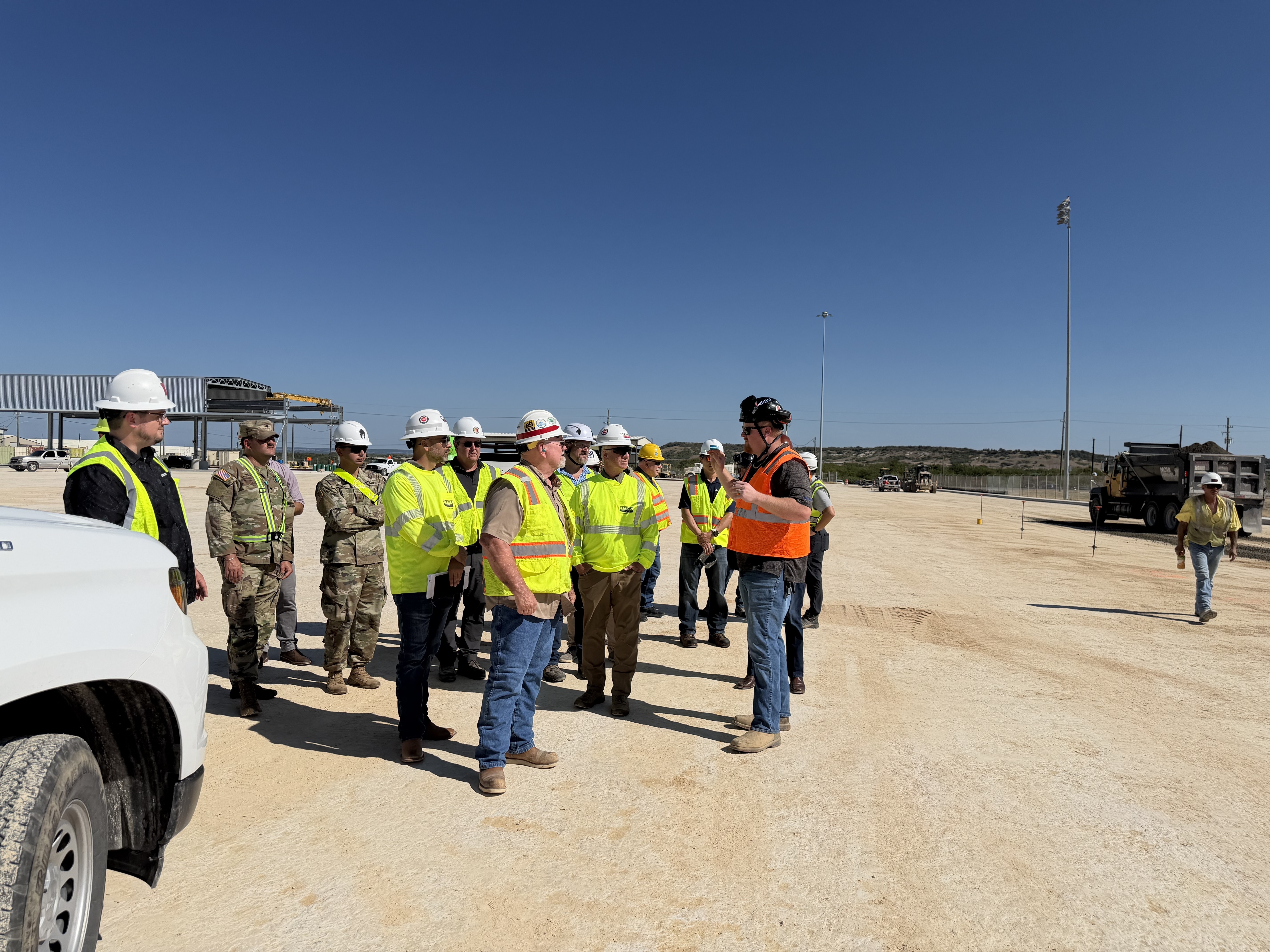
The day began with a tour that included a pug mill site and RCC projects dating to 1983, 2024, and 2026. Bringing these locations together in one program offered a valuable perspective on RCC—from an early installation to current construction.
At the pug mill site, attendees gathered for demonstrations of RCC testing equipment and a close look at the material before placement. These demonstrations added a practical dimension to the tour, connecting the afternoon’s discussions of mix design and quality control with the materials and equipment used in the field. The opportunity to observe these procedures and discuss them with industry professionals was a valuable part of the symposium.
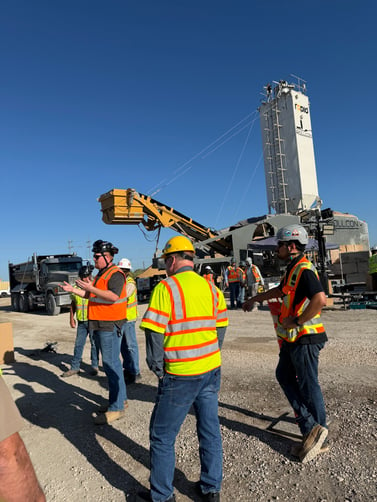
Symposium attendees learn about RCC production from Taylor Cooksey during a tour of Rollcon’s pug mill at Fort Hood.
At the second tour site, participants viewed RCC pavement installed in July 2024 in an area used for military equipment and vehicle storage. The stop offered an opportunity to observe the pavement more than two years after installation and discuss RCC applications in areas serving heavy equipment. Seeing the pavement in its operating environment added valuable context to discussions of construction, quality control, and long-term performance.
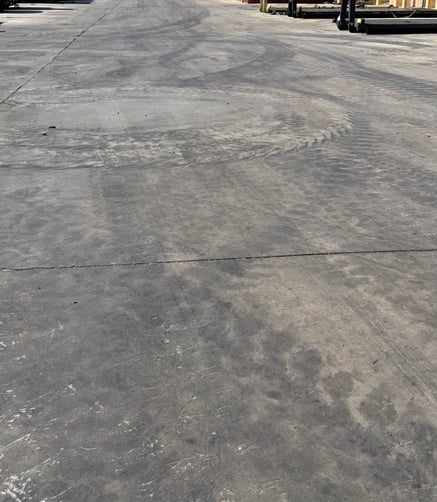
RCC pavement placed in June 2024 at Fort Hood’s 1-9 Cav site, visited during the symposium’s field tour.
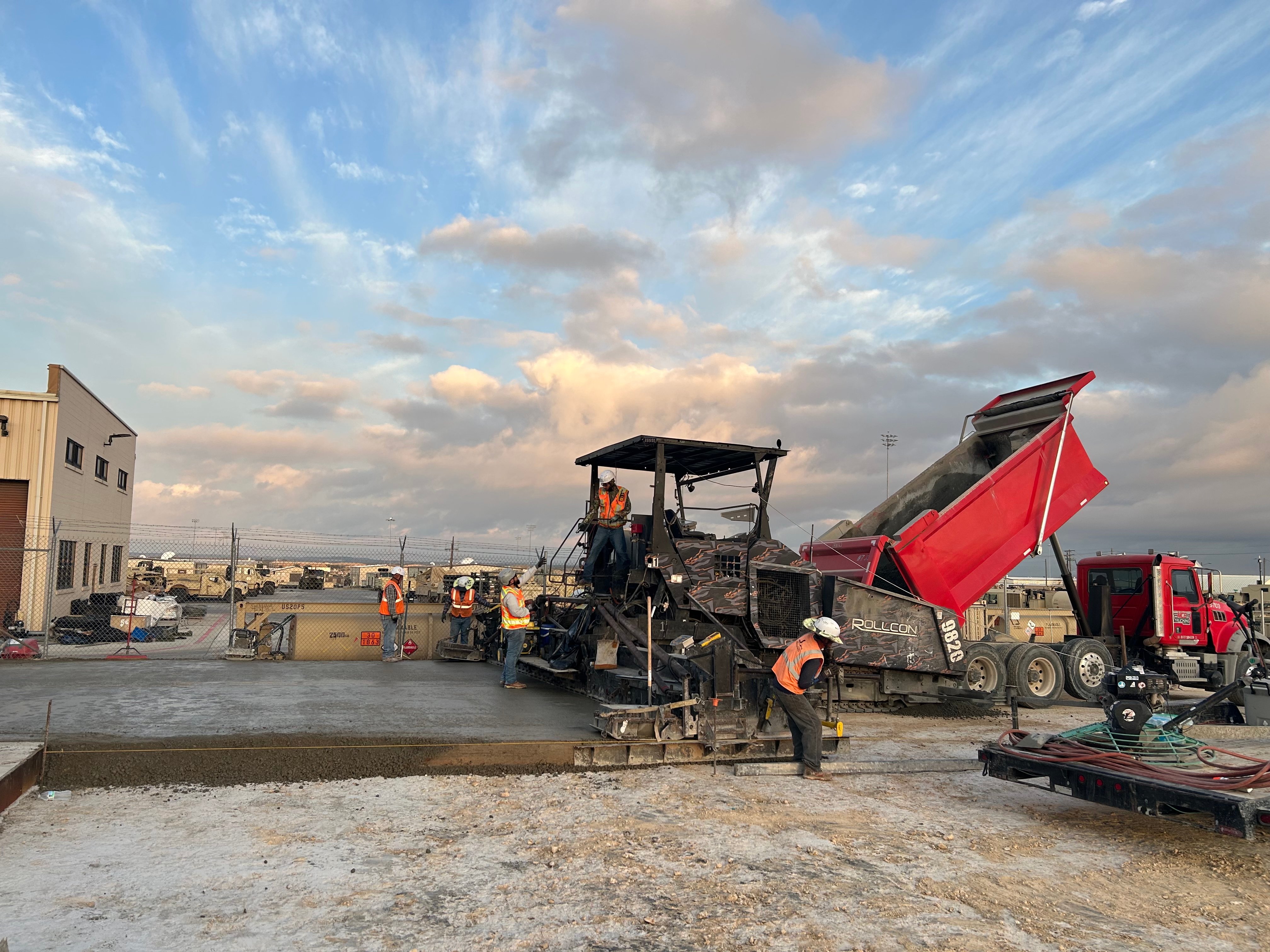
Attendees also had the opportunity to observe RCC placement during the tour, seeing the construction process firsthand. This experience connected the technical presentations with field practices and provided additional context for discussions about construction methods and quality control.
Together, the tour stops allowed participants to consider multiple stages of an RCC pavement’s life—from material production and placement to years of service. These shared observations provided concrete examples to draw upon throughout the afternoon’s sessions.
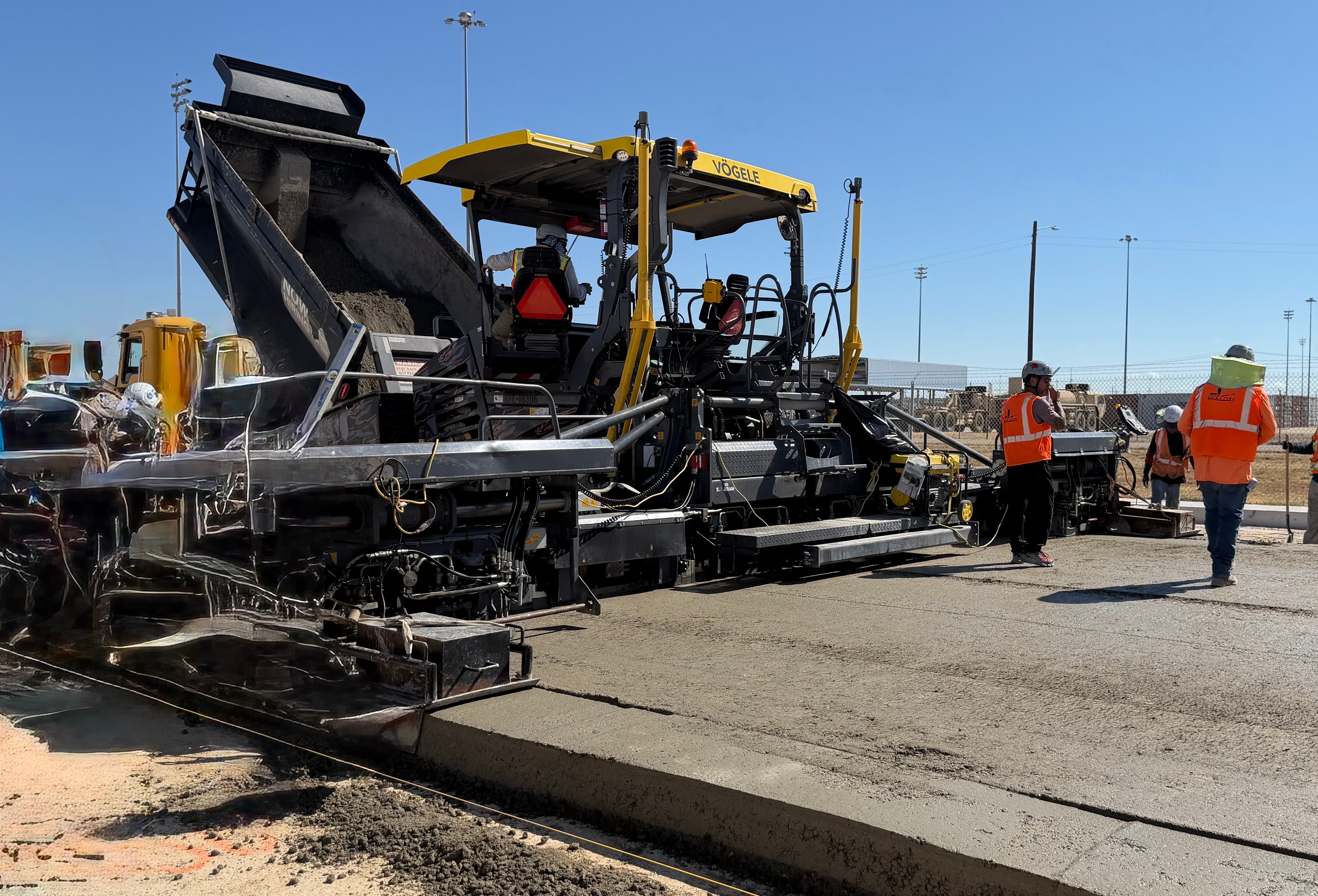
Crews place a 9-inch lift of RCC at Fort Hood, giving symposium attendees a firsthand look at the paving process.
Sharing Technical Knowledge and Experience
Following lunch at the Phantom Warrior Center, the program continued with presentations addressing key aspects of RCC pavement applications.
Randy Bowers of CCT introduced RCC, establishing a foundation for the afternoon’s discussions. Ron Harris, retired from the U.S. Army Corps of Engineers, shared the history of the original RCC at Fort Hood, connecting the installation’s early experience with the projects featured during the tour.
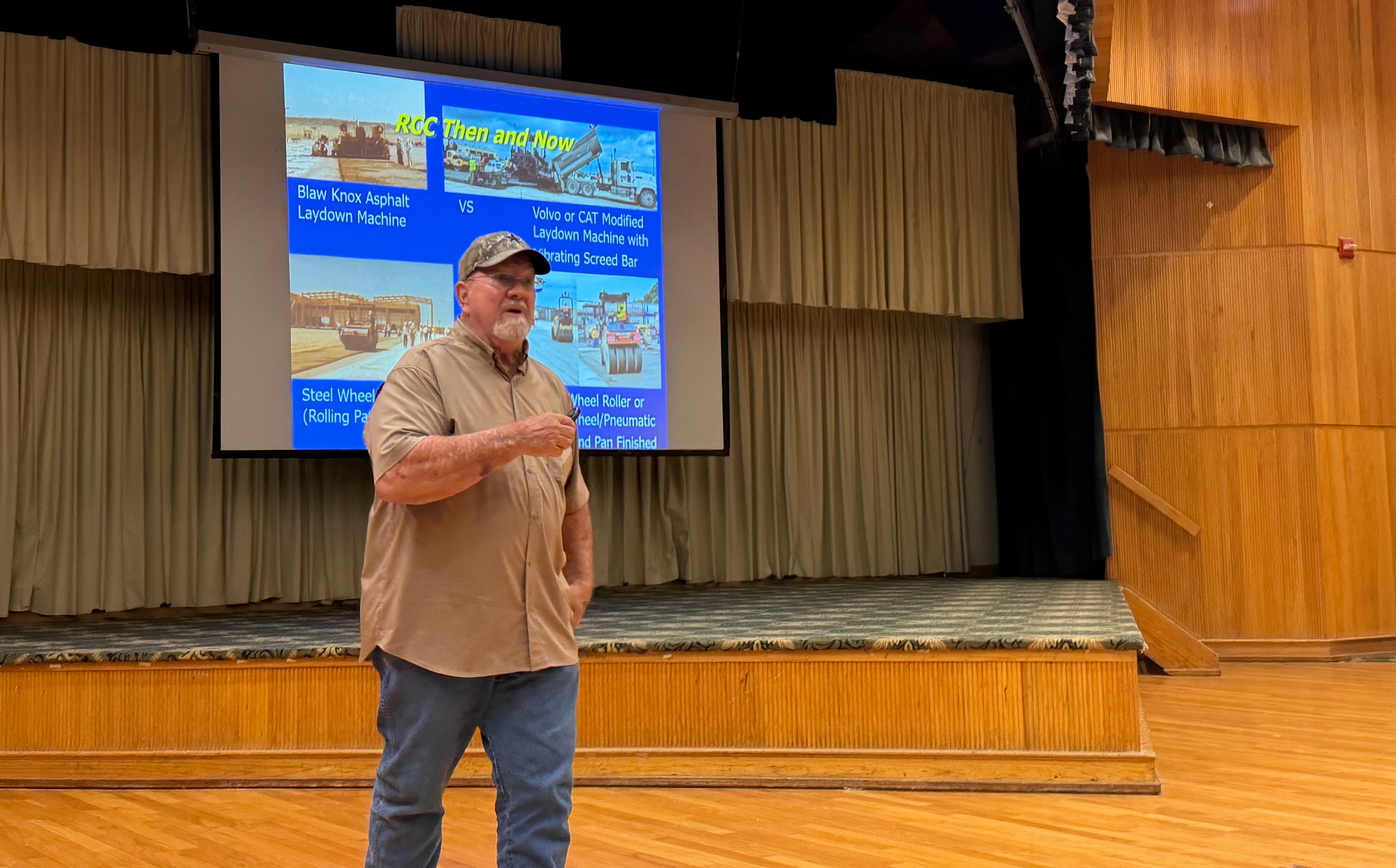
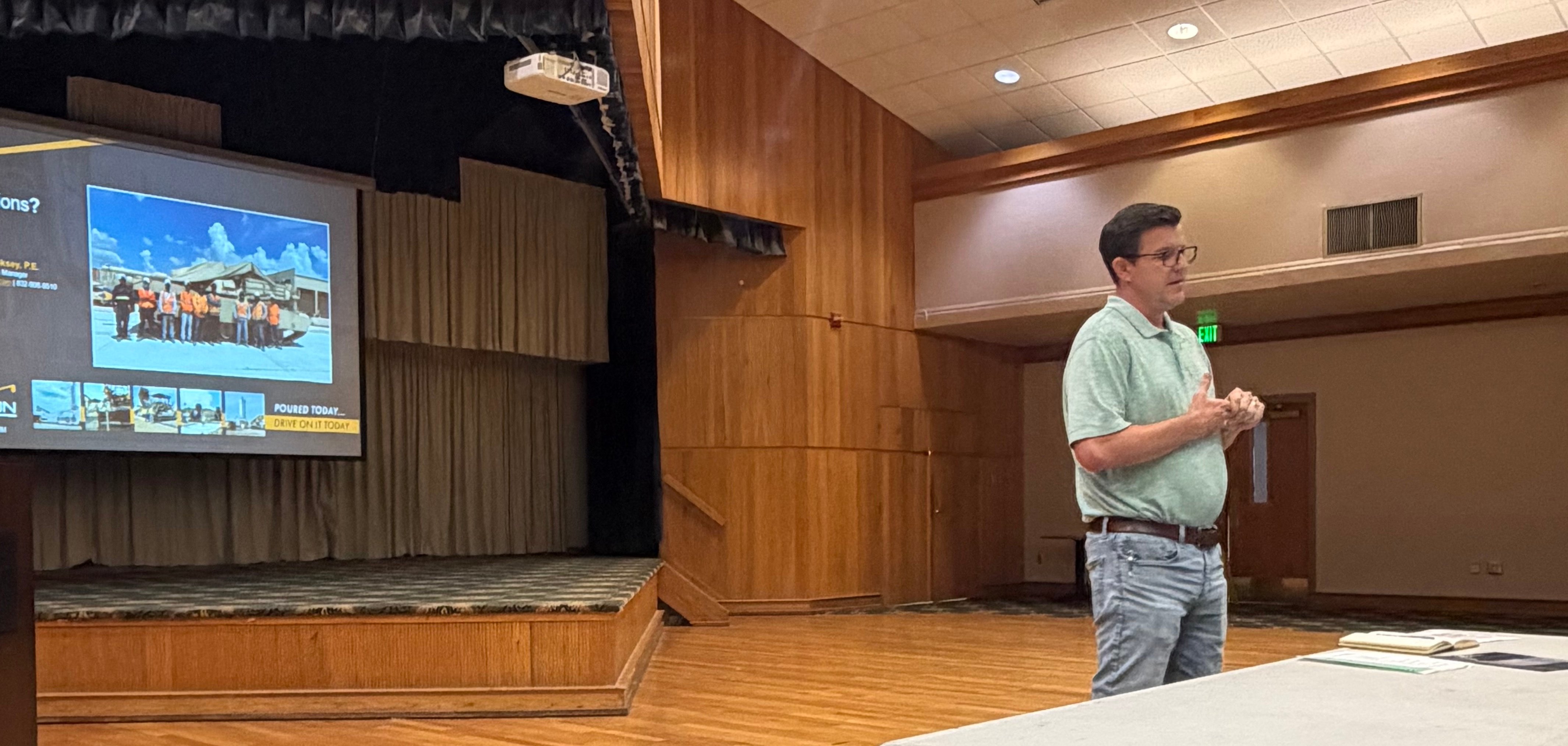
Corey Zollinger of the RCC Pavement Council covered RCC construction and mix design, followed by Taylor Cooksey of Rollcon, who addressed quality control. Together, the presentations emphasized the relationship between material selection, construction practices, and consistent execution in achieving successful pavement outcomes.
Connecting Questions with Expertise
An “Ask the Experts” roundtable provided a dedicated opportunity for questions and further discussion. The combination of field observations, technical instruction, and access to experienced professionals was central to the symposium’s value.
Brent Cabaniss, Engineering Chief with the Directorate of Public Works, delivered closing remarks to conclude the day.
Building on the Event’s Success
The Fort Hood RCC Symposium demonstrated the value of bringing technical education directly to the project setting. By pairing decades of RCC history with testing demonstrations, observations of completed projects, and live RCC placement, the program created a meaningful opportunity to build knowledge and support informed pavement decisions.
CCT extends its sincere appreciation to the Fort Hood team, presenters, site tour hosts, and everyone who attended and contributed to the event’s success. Their participation helped make the symposium a valuable forum for sharing experience and advancing understanding of RCC pavement solutions.